
Our Treatments

Need Help Get In Touch Quickly
Psoriasis & Eczema
- What is Psoriais & Eczema?
- Psoriasis is a long-lasting autoimmune disease characterized by patches of abnormal skin. These skin patches are typically red, dry, itchy, and scaly. On people with darker skin the patches may be purple in colour. Psoriasis varies in severity from small, localized patches to complete body coverage.
- There are five main types of psoriasis: plaque, guttate, inverse, pustular, and erythrodermic. Plaque psoriasis, also known as psoriasis vulgaris, makes up about 90 percent of cases. It typically presents as red patches with white scales on top.
- Dermatitis, also known as eczema, is a group of diseases that results in inflammation of the skin. These diseases are characterized by itchiness, red skin and a rash. In cases of short duration, there may be small blisters, while in long-term cases the skin may become thickened.
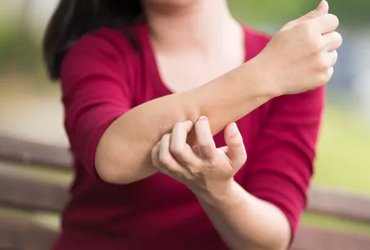
Modern management of Psoriasis or Eczema
- Topical agents – Corticosteroid, Retinoids, Coal tar, Vitamin D analogues such as paricalcitol, Moisturizers and emollients
- UV phototherapy – sunlight, UVB radiation with Wavelengths of 311–313 nanometers
- Systemic agents – Methotrexate, ciclosporin, hydroxycarbamide, fumarates such as dimethyl fumarate, and retinoids
- Surgery – removal of the tonsils may benefit people with chronic plaque psoriasis, guttate psoriasis, and palmoplantar pustulosis
Demerits of Modern treatment
- Temporary relief
- Suppressed immunity
- Liver damage, ulcerative stomatitis, leukopenia and thus predisposition to infection, nausea, abdominal pain, fatigue, fever, dizziness, acute pneumonitis, rarely pulmonary fibrosis, and kidney failure
Our recommendation
- PSORAVAN capsule (1-0-1) on empty stomach with water
- VANCID capsule (2-0-2) on empty stomach with water
- YLAX Powder (0-0-1 spoon) at bed time with water
- YLIV capsule (1-0-1) on empty stomach with water
- PSORAVAN Ointment locally
Advantages of above treatment
- No immunosuppressant
- Permanent treatment
Diet and other recommendations
- Avoid sour, Besan, Meyda and Fermented food, Refined sugar, Alcohol, Tomato, Dairy products, Junk food
- Eat more amount of Carrot, Walnuts, Flaxseed, Coriander, Cumin
- Eat Food slowly after proper chewing
- Avoid water half hour before & after and during meal
- Drink more amount of water (At least 4 to 5 liter)
Expected result
- Reduces itching and burning in burning 7 -10 days
- Visible result in just 7 days in most cases
Frequently Asked Questions
What is the difference between psoriasis and eczema?
Psoriasis is a chronic autoimmune skin disorder characterized by thick, dry, silvery scales and red patches, whereas eczema is an inflammatory skin condition causing itching, redness, dryness, and oozing. Both conditions differ in cause and appearance but may coexist in some individu
What are the main causes of psoriasis and eczema?
Both conditions are linked to immune dysfunction, genetic predisposition, stress, poor digestion, toxin accumulation (Ama), and imbalance of Pitta and Vata dosha. Environmental triggers, allergens, and infections can worsen symptoms.
Are psoriasis and eczema contagious?
No. Neither psoriasis nor eczema is contagious. They cannot spread through physical contact, sharing clothes, or using common objects.
Can psoriasis and eczema be cured permanently with Ayurveda?
Ayurveda focuses on detoxification, blood purification, immune modulation, and correction of digestive imbalance. With consistent treatment, dietary discipline, and lifestyle changes, symptoms can be significantly reduced and long-term remission can be achieved.
How long does it take to see improvement in psoriasis and eczema with treatment?
Initial relief from itching and inflammation may be seen within a few weeks. Significant improvement in skin lesions usually takes a few months, depending on severity, chronicity, and adherence to treatment.
Related Products
No products found for this condition.