
Our Treatments

Need Help Get In Touch Quickly
Diabetes
- What is Diabetes?
- Diabetes is a chronic metabolic disorder characterized by increased levels of glucose (sugar) in the blood due to insufficient insulin production or improper utilization of insulin by the body. It gradually affects multiple organs including kidneys, eyes, nerves, heart, and blood vessels. According to Ayurveda, Diabetes (Madhumeha) occurs due to imbalance of Kapha and Vata dosha, weak digestive fire (Agni), and accumulation of toxins (Ama) in the body.
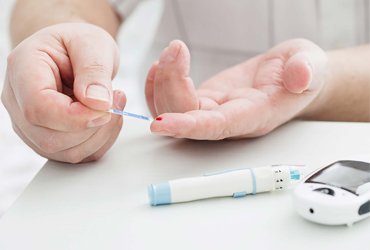
Types of Diabetes
- Type 1 Diabetes – Autoimmune condition in which the pancreas produces little or no insulin. Usually occurs at a younger age and requires lifelong insulin support.
- Type 2 Diabetes – Most common type where the body becomes resistant to insulin or does not produce enough insulin. Often associated with obesity, sedentary lifestyle, and poor diet.
- Gestational Diabetes – Develops during pregnancy due to hormonal changes. Usually temporary but increases future risk of diabetes.
- Prediabetes – Early stage where blood sugar levels are higher than normal but not yet diabetic. With proper management, progression can be prevented.
Causes
- Sedentary lifestyle and lack of physical activity
- Excessive intake of sugary and processed foods
- Obesity and metabolic syndrome
- Genetic predisposition
- Chronic stress and irregular sleep
- Hormonal imbalance
- Weak digestive system and toxin accumulation
- Excessive intake of oily, heavy, and junk food
Modern Treatment
- Oral antidiabetic medications (Metformin, Glimepiride, etc.)
- Insulin therapy
- Blood sugar monitoring
- Dietary regulation and exercise
- Management of complications through additional medicines
Our Recommendation
- YDIAB capsule (2 – 2 – 2) on empty stomach with water
- YLIV capsule (1 – 0 – 1) on empty stomach with water
- B Leen capsule (1 – 0 – 1) before meals with water
- YLAX Powder (0 – 0 – 1 spoon) at night with water
Advantages of Above Treatment
- Helps regulate blood sugar levels naturally
- Improves pancreatic function and insulin sensitivity
- Supports liver metabolism and digestion
- Helps reduce weakness, fatigue, and frequent urination
- Safe for long-term use under supervision
- Helps prevent long-term diabetic complications
Diet and other recommendations
- Avoid sugar, sweets, refined flour (Maida), fried food, and junk food
- Avoid cold drinks, alcohol, and excessive tea/coffee
- Eat more green vegetables, whole grains, and fiber-rich food
- Include bitter foods like bitter gourd (Karela), fenugreek (Methi), and neem
- Eat food slowly after proper chewing
- Avoid water half hour before, during, and after meals
- Maintain regular physical activity and daily walking
- Maintain ideal body weight
- Drink adequate water (3–4 liters daily)
- Maintain regular sleep schedule and reduce stress
Expected results
- Improved blood sugar control within few weeks
- Reduction in excessive thirst, urination, and fatigue
- Better digestion and improved metabolism
- Gradual reduction in dependency on modern medicines under supervision
- Prevention of long-term complications with continuous care
Frequently Asked Questions
What are the early symptoms of diabetes?
Frequent urination, excessive thirst, increased hunger, fatigue, blurred vision, slow wound healing, and unexplained weight changes are common early signs.
Can diabetes be cured permanently with Ayurveda?
Type 2 diabetes can often be effectively controlled and sometimes reversed in early stages with proper Ayurvedic treatment, diet, and lifestyle correction.
Is it safe to take Ayurvedic medicine with modern diabetes medicine?
Yes. Ayurvedic treatment can be taken along with modern medicines initially. Dosage adjustments should be done gradually under medical supervision.
Can diabetes be controlled without insulin?
In many Type 2 cases, lifestyle changes and proper treatment help control blood sugar without insulin. However, Type 1 diabetes usually requires insulin therapy.
How often should blood sugar be tested during treatment?
Blood sugar levels should be monitored every 15–30 days initially and regularly thereafter as advised by the physician.
Related Products